
Introduction
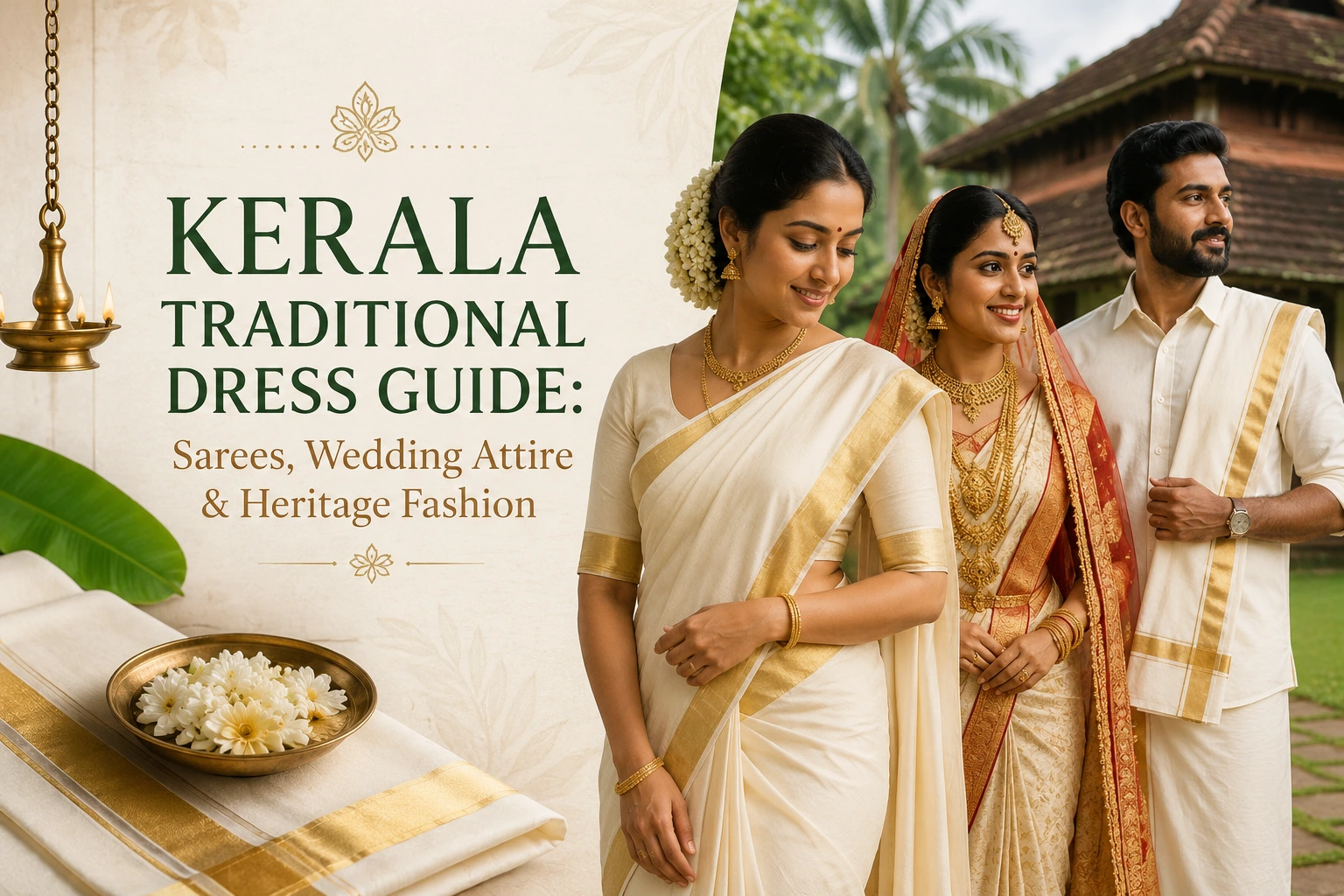
Kerala is known for its rich cultural heritage, vibrant festivals, and timeless fashion traditions. Traditional clothing plays an important role in preserving the state’s identity and reflects customs that have been passed down through generations. From elegant sarees to handcrafted jewelry, every element of Kerala attire tells a story of culture and craftsmanship.
Traditional Kerala dress is admired for its simplicity, elegance, and comfort. The signature combination of cream-colored fabric and gold borders creates a distinctive style that is recognized across India. These garments continue to be worn during weddings, religious ceremonies, festivals, and cultural celebrations.
Today, Kerala traditional attire remains relevant in modern fashion. Designers often incorporate heritage-inspired elements into contemporary collections while preserving the cultural essence of these garments. This blend of tradition and innovation has helped Kerala fashion maintain its timeless appeal.
What Is Kerala Traditional Dress?
Kerala traditional dress refers to the clothing styles that have been worn by the people of Kerala for centuries. These garments are designed to suit the tropical climate while maintaining elegance and cultural significance. Traditional attire reflects the values, lifestyle, and artistic heritage of the region.
The most popular traditional outfits for women include the Kasavu Saree, Mundum Neriyathum, Kerala Saree, and Pattu Pavadai. Men traditionally wear the Mundu along with a shirt, Jubba, or Angavastram. These garments remain an essential part of Kerala’s cultural identity.
Traditional Kerala clothing is more than just fashion. It represents heritage, craftsmanship, and community values that have been preserved across generations. Even today, these outfits continue to play a central role in weddings, festivals, and important life events.
Traditional Dress of Kerala Women
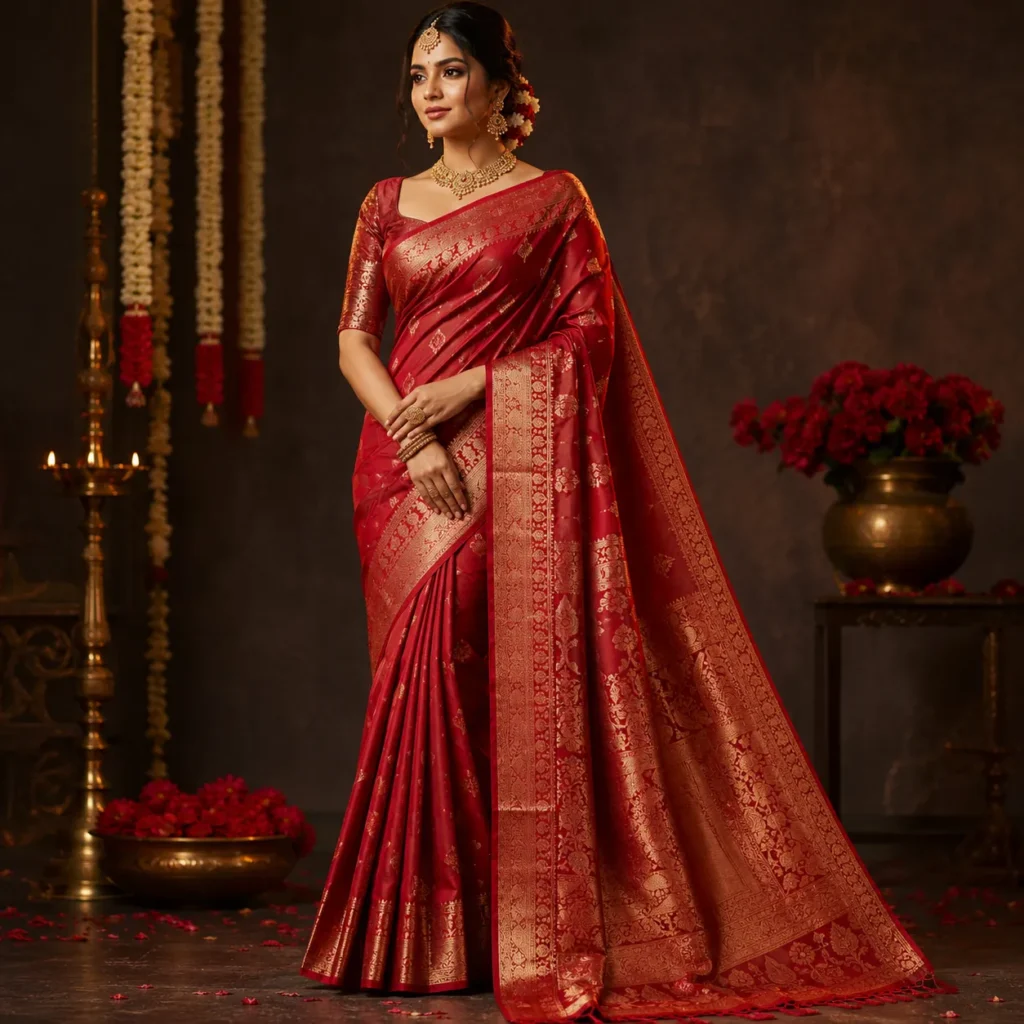
Traditional Kerala women’s clothing combines elegance, comfort, and cultural significance. These garments have evolved over centuries while retaining their traditional identity. Their graceful appearance makes them a popular choice for special occasions and cultural celebrations.
The use of lightweight fabrics and simple designs reflects Kerala’s climate and lifestyle. Traditional outfits often feature the iconic Kasavu border, which symbolizes prosperity and heritage. This distinctive style has become synonymous with Kerala fashion.
Modern designers frequently reinterpret traditional garments through contemporary cuts and embellishments. However, the essence of Kerala women’s clothing remains rooted in simplicity and timeless beauty.
Kasavu Saree
The Kasavu Saree is the most iconic traditional dress worn by women in Kerala. It features a cream or off-white fabric adorned with a striking gold border. This elegant combination creates a timeless and sophisticated appearance.
Women commonly wear Kasavu sarees during weddings, Onam, Vishu, temple festivals, and cultural events. The saree symbolizes purity, prosperity, and cultural pride. Its understated elegance has made it a cherished garment across generations.
Contemporary versions of the Kasavu Saree include embroidered designs, colorful borders, and designer blouses. Despite these innovations, the classic cream-and-gold style remains the preferred choice for traditional occasions.
Mundum Neriyathum
Mundum Neriyathum is one of the oldest traditional outfits worn by women in Kerala. The attire consists of two separate pieces, including the Mundu wrapped around the waist and the Neriyathu draped over the shoulder. It is widely regarded as the predecessor of the modern Kerala Saree.
This outfit is known for its comfort, simplicity, and graceful appearance. Traditionally, women wore Mundum Neriyathum during festivals, temple visits, and family gatherings. Its elegant design reflects Kerala’s minimalist fashion philosophy.
Today, Mundum Neriyathum continues to be worn during cultural events and traditional celebrations. Many designers have introduced modern variations while preserving its heritage-inspired structure.
Kerala Saree
The Kerala Saree evolved from Mundum Neriyathum and offers a more convenient draping style. Unlike the two-piece attire, it is designed as a single garment while retaining the traditional aesthetic. This evolution has made the saree more accessible to modern wearers.
Most Kerala sarees feature a cream-colored base paired with a gold Kasavu border. The lightweight cotton fabric provides comfort and elegance, making it suitable for Kerala’s warm climate. The saree remains a popular choice for weddings and festive occasions.
Modern Kerala sarees are available in a wide range of styles, fabrics, and embellishments. These innovations allow women to embrace traditional fashion while expressing their personal style.
Pattu Pavadai and Half Saree
Pattu Pavadai is a traditional outfit commonly worn by young girls in Kerala. It consists of a long skirt, matching blouse, and decorative shawl. The outfit is often chosen for weddings, festivals, and religious ceremonies.
The Half Saree, also known as Dhavani, is another important traditional garment. It consists of a skirt, blouse, and draped cloth, representing a transition from childhood to adulthood. Many families choose this attire for cultural events and coming-of-age ceremonies.
Both garments continue to play an important role in preserving Kerala’s cultural traditions. Their vibrant colors, elegant designs, and cultural significance make them popular choices for special occasions.
Traditional Dress of Kerala Men
Traditional Kerala men’s clothing reflects simplicity, dignity, and cultural pride. These garments have remained largely unchanged over generations because of their practicality and timeless appeal. Their minimalist design perfectly complements Kerala’s cultural values.
Men traditionally wear garments made from lightweight fabrics that provide comfort in warm weather. The emphasis on simplicity allows the attire to remain elegant without excessive decoration. This balance between function and style defines Kerala menswear.
Today, traditional menswear remains an important part of weddings, festivals, and cultural celebrations. Many younger generations continue to embrace these garments as symbols of heritage and identity.
Mundu
The Mundu is the most popular traditional garment worn by men in Kerala. It is a rectangular piece of cloth wrapped around the waist and extending to the ankles. The garment is known for its comfort, simplicity, and versatility.
Traditionally, men wear the Mundu during weddings, religious ceremonies, festivals, and formal gatherings. White and cream-colored Mundus are the most common choices, while special occasions often call for Kasavu-bordered versions. These garments create a refined and dignified appearance.
The Mundu remains an enduring symbol of Kerala culture. Many professionals, community leaders, and elders continue to wear it with pride. Its timeless appeal ensures its continued relevance in modern society.
Jubba and Angavastram
A Jubba is a long, loose-fitting kurta often paired with a Mundu. It provides a sophisticated appearance while maintaining comfort throughout the day. The combination is especially popular during weddings and festive celebrations.
The Angavastram is a cloth draped over the shoulder as a symbol of respect and cultural identity. It enhances the overall outfit and adds a ceremonial touch. Gold-bordered Angavastrams are commonly worn during important occasions.
Together, the Jubba and Angavastram create a complete traditional look that reflects Kerala’s heritage. Their simplicity and elegance continue to appeal to men of all ages.
Kerala Wedding Attire
Kerala weddings are celebrated for their elegance, simplicity, and cultural richness. Traditional wedding attire reflects the values of heritage and sophistication while maintaining a graceful appearance. Every element of the bridal and groom’s outfit contributes to the overall beauty of the occasion.
Unlike heavily embellished wedding styles, Kerala wedding fashion emphasizes understated luxury. The iconic cream-and-gold color palette remains central to both bridal and groom attire. This distinctive aesthetic has become a hallmark of Kerala weddings.
Modern couples often combine traditional garments with contemporary styling. However, the cultural essence of Kerala wedding fashion remains intact and continues to inspire generations.
Kerala Bridal Dress
The traditional Kerala bride usually wears a Kasavu Saree or Kerala Silk Saree. These garments are known for their elegant appearance and cultural significance. The cream-colored fabric with gold borders creates a timeless bridal look.
Bridal sarees are often paired with elaborate gold jewelry and carefully chosen accessories. This combination enhances the bride’s appearance while preserving Kerala’s traditional aesthetic. The look reflects both simplicity and grandeur.
Many modern brides choose customized versions of traditional sarees featuring designer blouses and intricate weaving patterns. Despite these updates, heritage-inspired bridal fashion remains highly valued.
Traditional Kerala Bridal Jewelry
Jewelry plays a central role in Kerala bridal styling. Traditional ornaments symbolize prosperity, beauty, and cultural heritage. Many pieces have been passed down through generations as treasured family heirlooms.
Kasu Mala is a necklace made from coin-shaped gold elements that symbolize wealth and blessings. Palakka Mala features green stone pendants set in gold and adds color to the bridal ensemble. Manga Mala, known for its mango-shaped motifs, represents prosperity and abundance.
Temple jewelry and jasmine flowers further enhance the bridal look. These accessories create a regal appearance while maintaining a strong connection to tradition. Together, they complete the classic Kerala bridal style.
Kerala Groom Attire
Traditional Kerala groom attire focuses on elegance and cultural authenticity. Most grooms wear a Kasavu Mundu paired with a white shirt, kurta, or Jubba. This combination creates a refined and dignified wedding look.
Many grooms also wear an Angavastram draped over the shoulder. The gold-bordered accessory enhances the ceremonial appearance of the outfit. Its simplicity reflects the values of Kerala wedding fashion.
Modern grooms may incorporate custom tailoring and premium fabrics into their attire. However, the traditional Kasavu Mundu remains the foundation of Kerala groom fashion.
Kerala Handloom Heritage
Kerala’s traditional clothing is closely linked to its rich handloom heritage. Skilled artisans have preserved weaving techniques for centuries, creating textiles that reflect the state’s culture and craftsmanship. These traditions continue to influence Kerala fashion today.
Handloom garments are valued for their quality, durability, and artistic excellence. Many traditional outfits are still produced using methods passed down through generations. This dedication to craftsmanship makes Kerala textiles highly respected.
Growing interest in sustainable and heritage fashion has renewed appreciation for handloom products. As a result, Kerala’s weaving traditions continue to thrive in modern markets.
Kasavu Weaving
Kasavu weaving is one of Kerala’s most celebrated textile traditions. The term “Kasavu” refers to the distinctive gold border woven into cream-colored fabric. This elegant design has become a defining feature of Kerala attire.
Traditionally, artisans used fine cotton and gold-thread detailing to create Kasavu garments. These textiles were reserved for important ceremonies and celebrations. Their luxurious appearance made them symbols of prestige and prosperity.
Modern weaving techniques have introduced new materials and patterns while preserving the traditional aesthetic. Despite these innovations, the classic cream-and-gold design remains highly valued.
Balaramapuram and Kuthampully Weaving
Balaramapuram is one of Kerala’s most famous handloom weaving centers. The town is known for producing authentic Kasavu sarees, Mundus, and traditional textiles. Generations of artisans have dedicated themselves to preserving these weaving traditions.
Kuthampully is another important weaving center recognized for its premium-quality sarees and heritage craftsmanship. The village has earned a reputation for producing elegant handloom garments that combine tradition with artistic excellence.
Both regions continue to play a vital role in preserving Kerala’s textile heritage. Their contributions help sustain traditional craftsmanship while supporting local artisan communities.
Frequently Asked Questions
What is the traditional dress of Kerala?
The traditional dress of Kerala includes Kasavu Sarees and Mundum Neriyathum for women, and Mundu with a shirt, Jubba, or Angavastram for men. These garments are known for their simplicity, elegance, and cultural significance.
What is a Kasavu Saree?
A Kasavu Saree is a traditional Kerala saree featuring cream-colored fabric and a gold border. It is commonly worn during weddings, festivals, and cultural celebrations.
What is Mundum Neriyathum?
Mundum Neriyathum is a traditional two-piece attire consisting of a lower garment called the Mundu and an upper drape called the Neriyathu. It is one of the oldest forms of Kerala women’s clothing.
What do Kerala brides wear?
Kerala brides traditionally wear Kasavu Sarees or Kerala Silk Sarees paired with gold jewelry such as Kasu Mala, Palakka Mala, and Manga Mala.
What do Kerala grooms wear?
Kerala grooms usually wear a Kasavu Mundu with a shirt, kurta, or Jubba along with an Angavastram.
Conclusion
Kerala traditional dress is much more than clothing. It represents centuries of culture, craftsmanship, and artistic expression that continue to shape the state’s identity. Every garment and accessory carries a story rooted in heritage and tradition.
From the elegance of the Kasavu Saree to the cultural significance of the Mundu, Kerala’s traditional attire reflects a unique blend of simplicity and sophistication. The rich jewelry traditions and handloom heritage further enhance the beauty of these garments.
Whether you are a bride-to-be, a fashion enthusiast, or a cultural explorer, Kerala traditional attire offers endless inspiration. Its ability to preserve tradition while adapting to modern fashion trends ensures that Kerala’s clothing heritage remains admired around the world.
